How a Metal Foundry Contributes to Sustainable Metal Manufacturing Practices
Metal foundries play a crucial function in advertising sustainability within the metal production industry. By including recycled materials, they minimize reliance on virgin resources and minimize ecological influences. Energy-efficient melting processes additionally reduce energy usage and emissions. The trip toward lasting techniques involves even more than simply recycling and energy management. It encompasses a more comprehensive dedication to ethical sourcing and ingenious innovations. The implications of these practices are significant and warrant more detailed assessment.
The Duty of Recycling in Metal Foundries
While metal manufacturing has actually generally relied upon virgin products, the enhancing focus on sustainability has caused a significant shift in practices, specifically in metal foundries. Recycling has actually emerged as a necessary element of this improvement, allowing foundries to repurpose scrap metal and lower reliance on extracted resources. By incorporating recycled materials right into their procedures, foundries not only reduce ecological influence however likewise lower production costs.
Making use of recycled steels, such as light weight aluminum, steel, and copper, minimizes power intake and lowers greenhouse gas exhausts associated with conventional mining and refining approaches. Additionally, foundries can attain high-grade results by employing sophisticated sorting and processing modern technologies to assure the pureness of recycled products. This emphasis on reusing fosters a round economy, where waste is decreased, and resources are made use of effectively. Metal foundries play a critical role in advertising sustainable techniques within the metal manufacturing industry.
Energy-Efficient Melting Methods
Energy-efficient melting techniques are essential for boosting sustainability in metal manufacturing. These strategies considerably reduce power intake during the melting process, which is among one of the most energy-intensive phases in metal manufacturing. Technologies such as induction melting, resistance home heating, and microwave melting offer enhanced effectiveness contrasted to typical techniques. Induction melting, for circumstances, makes use of electromagnetic fields to produce heat directly within the metal, reducing power loss and providing accurate temperature control.
Additionally, carrying out warm recovery systems can better enhance efficiency by recording and recycling waste heat created during melting. Using sophisticated insulation materials and maximizing furnace styles additionally add to energy financial savings. By taking on these ingenious melting strategies, metal foundries can lower their carbon footprint, reduce functional expenses, and add to an extra lasting manufacturing landscape. The integration of energy-efficient techniques not just lines up with environmental goals however also meets the growing demand for accountable production techniques in the metal market.
Sustainable Sourcing of Raw Materials
Sustainable sourcing of raw products is necessary for reducing the ecological impact of metal production. This entails the increased use of recycled steels, the adoption of moral mining methods, and efforts targeted at regional sourcing. By prioritizing these methods, the sector can promote liable source monitoring and support local economic situations.

Recycled Metal Application
Just how can industries successfully lower their ecological impact while meeting the expanding need for metal? One significant strategy is the usage of recycled metal. By including scrap metal right into their production procedures, foundries can lower the extraction of virgin products, consequently conserving natural deposits and reducing power intake. Recycled metals require less power to process contrasted to their raw equivalents, bring about lower greenhouse gas emissions. In addition, the use of recycled metal aids draw away waste from land fills, advertising a round economic climate. Industries that prioritize recycled metal not only add to sustainability yet additionally benefit from expense financial savings associated with reduced material procurement. As a result, recycled metal use stands as a vital approach for environmentally accountable metal production.
Honest Mining Practices
While the demand for metals remains to climb, sectors are significantly acknowledging the significance of ethical mining practices in guaranteeing accountable sourcing of resources. Honest mining incorporates a commitment to environmental stewardship, social obligation, and adherence to fair labor methods. Companies are currently focusing on collaborations with mines that show openness in their procedures, lessening ecological effect and respecting local areas. This technique not only cultivates a sustainable supply chain but also improves the track record of organizations included. By executing extensive criteria and accreditations, industries can combat prohibited mining tasks and promote the well-being of employees. Inevitably, ethical mining practices contribute noticeably to an extra lasting metal manufacturing community, lining up financial growth with social and environmental stability.
Local Sourcing Efforts
Innovations in Metal Casting Procedures
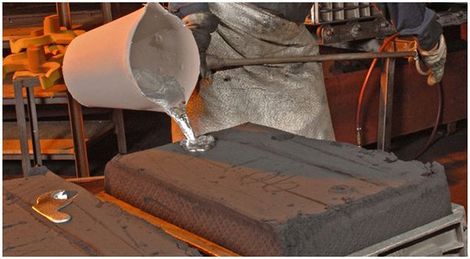
Innovations in metal casting processes are transforming the sector by incorporating advanced recycling methods that minimize waste. Energy-efficient melting techniques are additionally being developed to decrease energy intake throughout production. In addition, making use of cutting-edge mold products adds to enhanced performance and sustainability in casting operations.
Advanced Recycling Techniques
Advanced recycling strategies are changing metal casting processes, considerably improving sustainability in the sector. These innovations focus on redeeming and reprocessing scrap metal, significantly decreasing waste and the requirement for virgin products. Strategies such as hydrometallurgy and pyrometallurgy enable foundries to draw out important metals from used components, making sure efficient resource utilization. Additionally, advanced sorting and filtration innovations improve the top quality of recycled steels, making them ideal for high-performance applications. This not just reduces the ecological footprint of metal production however also promotes a round economic situation by advertising the reuse of products. As these reusing techniques proceed to evolve, they assure to additionally enhance procedures within foundries and add to a more lasting metal manufacturing landscape.
Energy-Efficient Melting Approaches
While traditional melting approaches have long been the backbone of metal casting, current advancements have introduced energy-efficient strategies that noticeably reduce power consumption and exhausts. Technologies such as induction melting and electrical arc furnaces have gained importance, permitting specific control over temperature level and check that lowering the demand for fossil gas. These methods not just improve power efficiency but likewise advertise quicker melting times, which equates to decrease operational prices. Additionally, advancements in warm healing systems allow foundries to catch and reuse excess heat produced during the melting process. This alternative technique to energy management not just sustains lasting methods however also placements metal foundries as leaders in the change in the direction of greener manufacturing processes, better lining up with international sustainability goals.
Ingenious Mold Materials
As the demand for more efficient and lasting metal casting procedures grows, the exploration of cutting-edge mold and mildew products has actually ended up being a centerpiece in the sector. Traditional mold and mildew products often contribute to ecological difficulties, motivating the search for alternatives that reduce waste and energy intake. Current innovations consist of the advancement of recyclable composites and eco-friendly binders, which not just improve mold efficiency yet additionally reduce ecological impact. Furthermore, making use of 3D printing technology in mold development permits complex layouts that reduce product use and check these guys out make it possible for fast prototyping. These innovative materials not only enhance casting precision however additionally line up with sustainability objectives, showcasing the industry's commitment to minimizing its carbon impact while keeping high-grade manufacturing standards.
Decreasing Waste With Advanced Technology
Cutting-edge innovations are changing the metal production market by significantly lowering waste and boosting performance. Advanced information analytics and maker knowing algorithms allow foundries to optimize production processes, recognizing inefficiencies and minimizing scrap material. Smart sensing units check equipment efficiency in real-time, permitting anticipating maintenance that reduces downtime and waste generation. Furthermore, additive production strategies, such as 3D printing, permit the creation of complicated parts with very little material use, markedly reducing waste contrasted to conventional techniques.
Closed-loop systems are ending up being a lot more common, in which scrap metal and by-products are recycled back into the production cycle, making sure that products are utilized to their maximum possibility. This combination of technology not just promotes resource preservation however likewise improves the total sustainability of metal production practices. By accepting these improvements, foundries can add to a much more lasting future while maintaining competition out there
The Influence of Foundries on Carbon Footprint Reduction
Foundries play a vital role in decreasing the carbon footprint of the metal manufacturing industry by carrying out various lasting methods. By utilizing energy-efficient innovations, such as electric arc heaters, these facilities substantially reduced greenhouse gas exhausts compared to traditional methods. Additionally, foundries increasingly embrace eco-friendly energy resources, which likewise diminishes their dependence on fossil fuels.
Recycling scrap metal is one more crucial technique that foundries employ, conserving sources and lowering the demand for virgin materials. This not just lessens waste yet likewise reduces down on the energy-intensive extraction procedures connected with mining. Furthermore, the adoption of closed-loop water supply assists to reduce water usage and decrease wastewater discharge, adding to a much more lasting operation.
Via these campaigns, foundries demonstrate their dedication to ecological stewardship, causing a marked decrease in the general carbon footprint of the metal manufacturing sector. Their ongoing initiatives are essential in the shift toward a much more sustainable commercial landscape.
Often Asked Inquiries
What Types of Metals Are Most Generally Recycled in Foundries?
Aluminum, copper, steel, and brass are among one of the most typically recycled metals in foundries. These steels are favored read the article as a result of their high recycling prices, financial worth, and prevalent schedule, adding significantly to industrial sustainability initiatives.
Just How Do Foundries Guarantee the High Quality of Recycled Products?
Foundries ascertain the high quality of recycled materials through strenuous testing, sorting, and filtration processes. They implement advanced modern technologies to evaluate composition and eliminate contaminations, assuring that the recycled steels fulfill market standards for efficiency and safety.
What Certifications Exist for Sustainable Foundry Practices?
Various qualifications exist for sustainable foundry methods, consisting of ISO 14001 for environmental administration, ISO 50001 for energy monitoring, and LEED accreditation for sustainable structure techniques (Aluminum Foundry). These qualifications assist ensure adherence to environmental and sustainability criteria in procedures
How Do Foundries Determine Their Carbon Footprint Decrease?
Foundries measure carbon impact reduction through devices like lifecycle evaluations, energy audits, and exhausts tracking systems. They contrast baseline exhausts to existing results, examining enhancements in energy performance, material usage, and eco-friendly energy fostering gradually.
What Are the Financial Benefits of Lasting Metal Production?
Sustainable metal manufacturing offers economic advantages such as minimized operational expenses, increased efficiency, improved market competitiveness, and potential federal government rewards. In addition, it fosters innovation and draws in environmentally mindful customers, eventually driving lasting earnings for organizations.
Metal foundries play a crucial function in advertising sustainability within the metal manufacturing industry. While metal manufacturing has actually typically depended on virgin products, the boosting emphasis on sustainability has actually led to a significant change in techniques, particularly in metal foundries. By including scrap metal into their production procedures, foundries can reduce the extraction of virgin materials, consequently lowering and saving all-natural resources energy intake. Foundries play an essential role in minimizing the carbon impact of the metal production industry by carrying out different lasting methods. Reusing scrap metal is one more vital technique that foundries utilize, saving sources and lowering the requirement for virgin materials.